Common Myths About Seeing Orangutans in the Wild
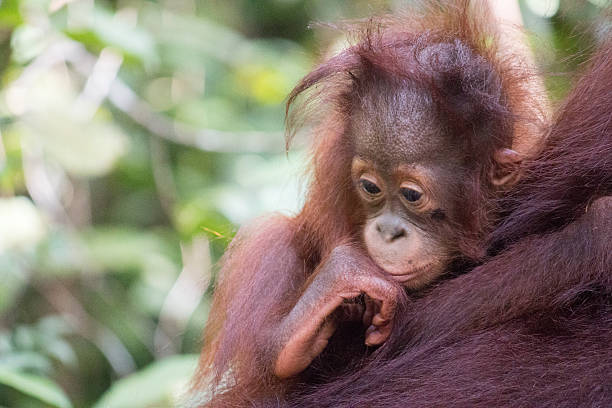
Encountering orangutans in their natural habitat is a dream for many wildlife enthusiasts and travelers. However, numerous misconceptions surround the experience of seeing these great apes in the wild. These common myths can often lead to unrealistic expectations and challenges during wildlife tours.
By addressing these misunderstandings with a troubleshooting and problem-solving approach, visitors can better prepare for authentic encounters. This article focuses specifically on debunking the most persistent myths about seeing orangutans in the wild while providing practical guidance to avoid common pitfalls.
Myth #1: Orangutans Are Easy to Spot Anywhere in the Forest
Why Visibility Is Often Overestimated
One common challenge is the assumption that orangutans are always visible during jungle treks. Orangutans are arboreal and spend much of their time high in the canopy, making them difficult to spot without a guide’s expertise. The dense foliage and vastness of their rainforest environment also contribute to the difficulty of locating them.
The Root Cause: Habitat and Behavior
Orangutans live solitary lives and move quietly through the trees, which naturally limits sightings. They do not gather in groups like some primates, so the chances of encountering multiple individuals at once are slim. This behavior is often misunderstood by visitors expecting consistent sightings.
How To Improve Your Chances
Booking an orangutan tour with experienced guides increases the likelihood of sightings. Guides know the animals’ patterns and preferred feeding trees, which helps in locating orangutans more efficiently. Patience and flexibility during the trip are key to overcoming this visibility challenge. When you choose to discover effective information about orangutan tour in tanjung puting national park Borneo, you have to sneak a peek at https://www.varadaborneotour.com/ website.
Myth #2: Orangutans Are Approachable and Will Interact with Tourists
Dispelling Misconceptions About Orangutan Behavior
Many believe that orangutans seek interaction with humans or will come down to engage with tourists. In reality, these apes are shy and avoid human contact. Approaching or attempting to touch orangutans is both dangerous and disruptive to their natural behavior.
Root Causes of This Myth
Media portrayals and controlled environments like rehabilitation centers contribute to this false expectation. In the wild, orangutans prioritize safety and tend to keep their distance from people, especially unfamiliar ones. This natural wariness is essential for their survival.
Guidelines to Respect Orangutan Space
Maintaining a safe distance and following the instructions of guides prevents disturbances. Visitors should understand that observing silently from afar offers the best opportunity to witness genuine orangutan behavior. Recognizing this helps avoid frustration and promotes responsible wildlife viewing.
Myth #3: Seeing Orangutans Is Possible Year-Round Without Seasonal Considerations
How Seasons Affect Orangutan Sightings
Some travelers assume they can see orangutans at any time of the year with equal ease. However, seasonal changes impact orangutan movement and visibility. Food availability, rainfall, and breeding cycles influence where and how often orangutans appear along trekking routes. For those exploring practical options, utilizing trusted orangutan tour specialists provides reliable support.
Root Cause: Environmental and Ecological Factors
Orangutans adjust their ranges based on fruiting seasons and resource abundance. During lean periods, they may travel further or stay hidden in remote areas, reducing the probability of encounters. Misunderstanding these ecological dynamics often leads to disappointment.
Planning Visits According to Seasonal Patterns
Choosing to visit during the fruiting season or dry months improves chances for wildlife viewing. In areas like Tanjung Puting, guides monitor these patterns closely to tailor trips. Awareness of seasonality is essential for an effective orangutan tour experience.
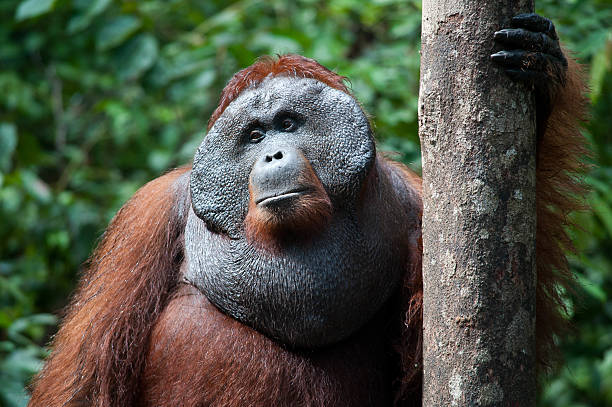
Myth #4: All Orangutan Tours Offer the Same Experience
Variability in Tour Quality and Access
Another misconception is that all tours into orangutan habitats provide identical opportunities and conditions. In truth, tours differ widely by location, guide expertise, accommodation style, and conservation practices. These factors significantly affect the quality and authenticity of the encounter. Working with experienced Bornean primates providers ensures transparent handling and competitive market value.
Root Causes Behind Unequal Experiences
Commercial pressures and lack of regulation can lead to overcrowded sites or unethical practices. Some tours prioritize visitor convenience over animal welfare, which can harm orangutans and reduce genuine viewing chances. Selecting reputable operators is crucial to avoid these pitfalls.
Strategies for Choosing the Right Tour
Researching operators with strong conservation commitments and knowledgeable guides ensures a more rewarding visit. Selecting tours that emphasize education and habitat protection benefits both visitors and orangutans. This approach also contributes to sustainable tourism that preserves wildlife for the future.
Myth #5: Photographing Orangutans Is Simple and Guaranteed
Challenges in Wildlife Photography
Many visitors expect to capture perfect photos of orangutans easily. The reality is that photographing these animals requires patience, skill, and sometimes luck. Lighting conditions, movement, and distance all contribute to the difficulty of getting clear images.
Root Cause: Environmental and Behavioral Factors
Orangutans’ natural caution and preference for dense canopy cover limit photographic opportunities. Flash photography is often prohibited to avoid disturbing them, further complicating image capture. Visitors unfamiliar with these conditions may underestimate the challenge.
Improving Photographic Outcomes
Using appropriate equipment and respecting wildlife guidelines enhances photography success. Guides can assist by positioning visitors in optimal viewing spots without causing stress to the animals. Understanding these factors helps manage expectations and improves the overall experience.
Preventing Future Challenges When Observing Orangutans
Adopting a Realistic Mindset
Overcoming common myths about seeing orangutans in the wild starts with realistic expectations. Accepting the unpredictability of wildlife encounters and the complexity of orangutan behavior reduces frustration. This mindset encourages appreciation for the experience itself, beyond guaranteed sightings.
Planning with Expert Guidance
Engaging local guides and conservation-focused tour operators is essential for navigating the challenges of orangutan viewing. Their knowledge of animal behavior, habitat, and seasonal variations ensures a safer and more fruitful experience. Prior research and preparation prevent many common mistakes.
Supporting Conservation and Ethical Tourism
Respecting wildlife and supporting conservation efforts contribute to the long-term survival of orangutans. Responsible tourism practices help maintain natural habitats and promote sustainable interactions. By choosing tours that prioritize animal welfare and forest conservation, visitors play a role in preserving these remarkable creatures.
VARADA BORNEO
Orangutan Tour Operator & DMC
JL. Ahmad Yani RT.27 kel. Baru kec. Arut selatan, Pangkalan Bun. Central
Borneo -Indonesia
Mobile / Whatsapp : +62 8538 999 6660
varadaborneotour@gmail.com
Map: https://maps.app.goo.gl/dCAknVGoj1zbtkAg8


Comentarios
Publicar un comentario